POS systems help merchants take in-person payments while connecting products, inventory, customers, staff, orders, returns, hardware, and reporting across retail locations and online channels.
Category snapshot
10 published software profiles
In-person checkout, retail hardware, payments, inventory, and store operations.
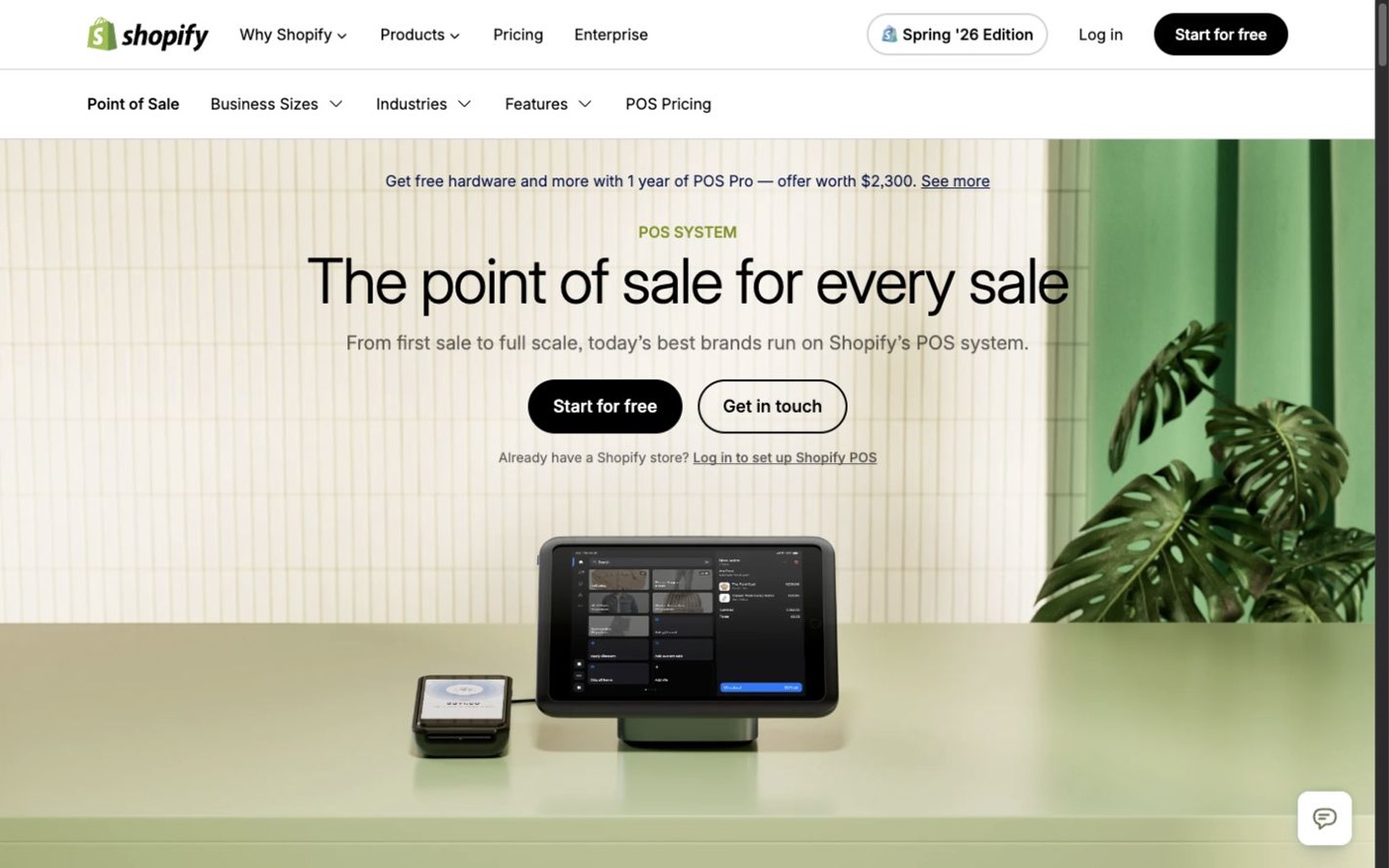
Point-of-sale hardware, software, and payment-processing ecosystem for checkout, inventory, orders, customers, staff, reporting, and connected online sales.
Best for
Retail and service businesses that want configurable countertop or mobile hardware, integrated payments, and an app marketplace that can extend store operations.
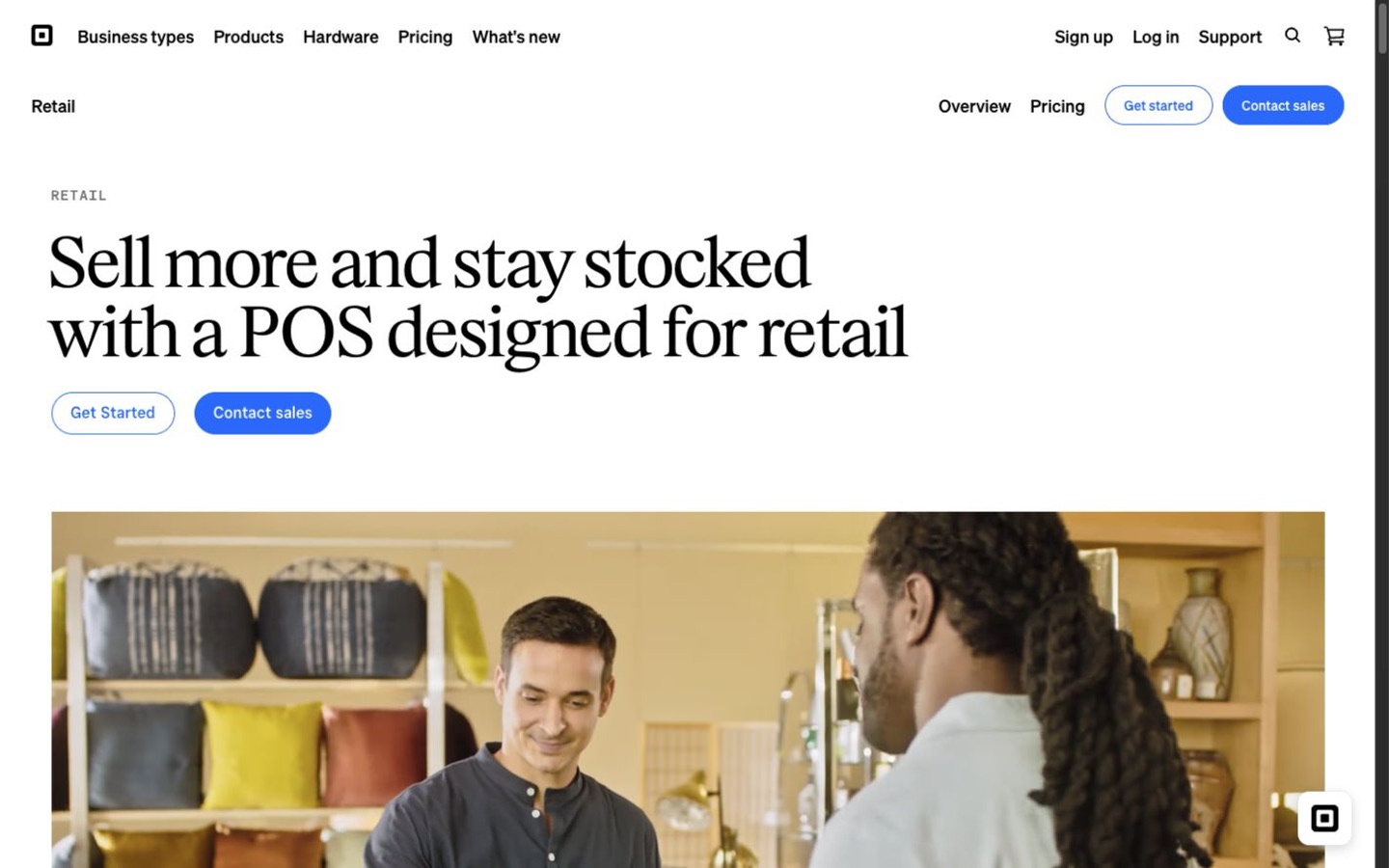
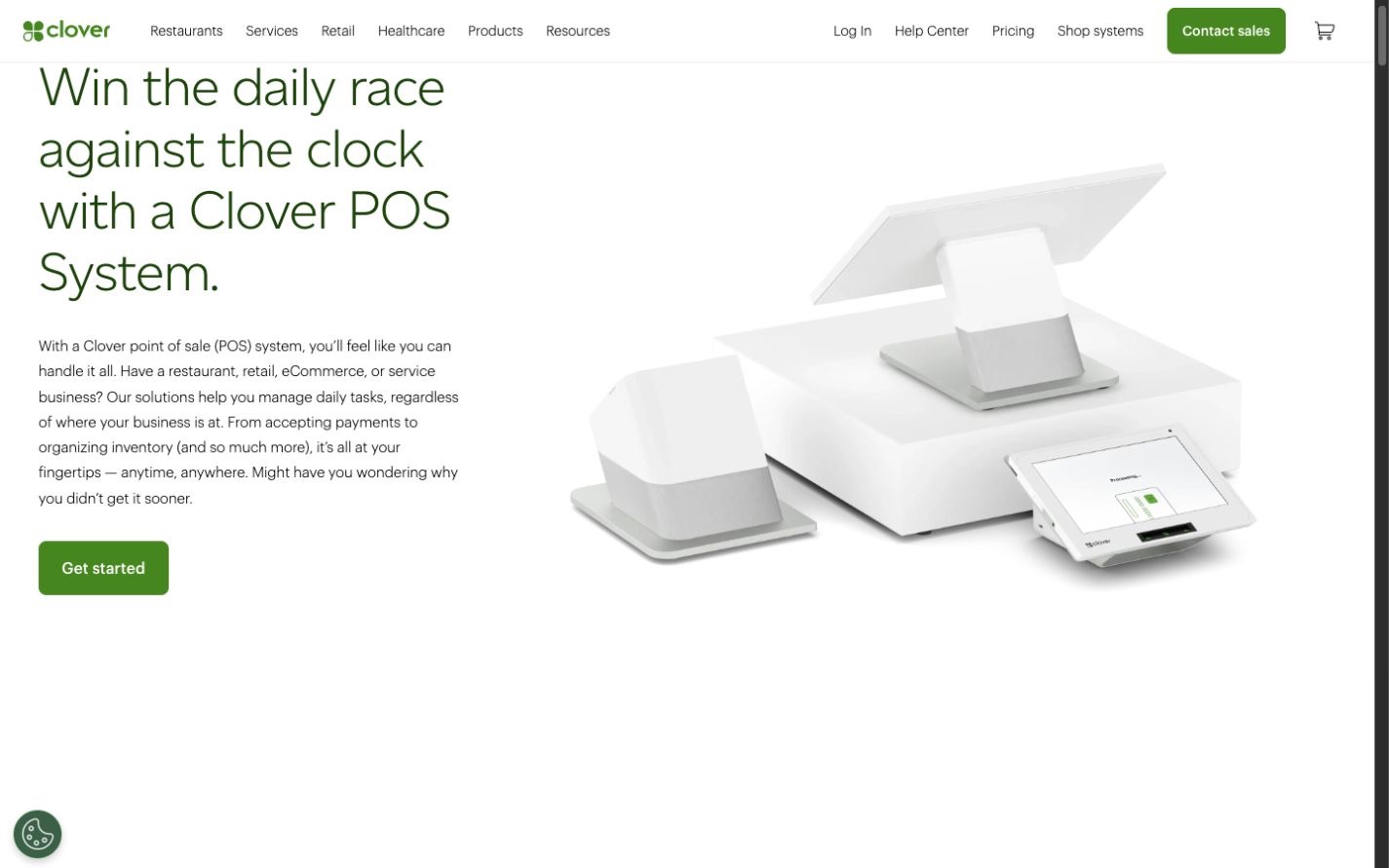
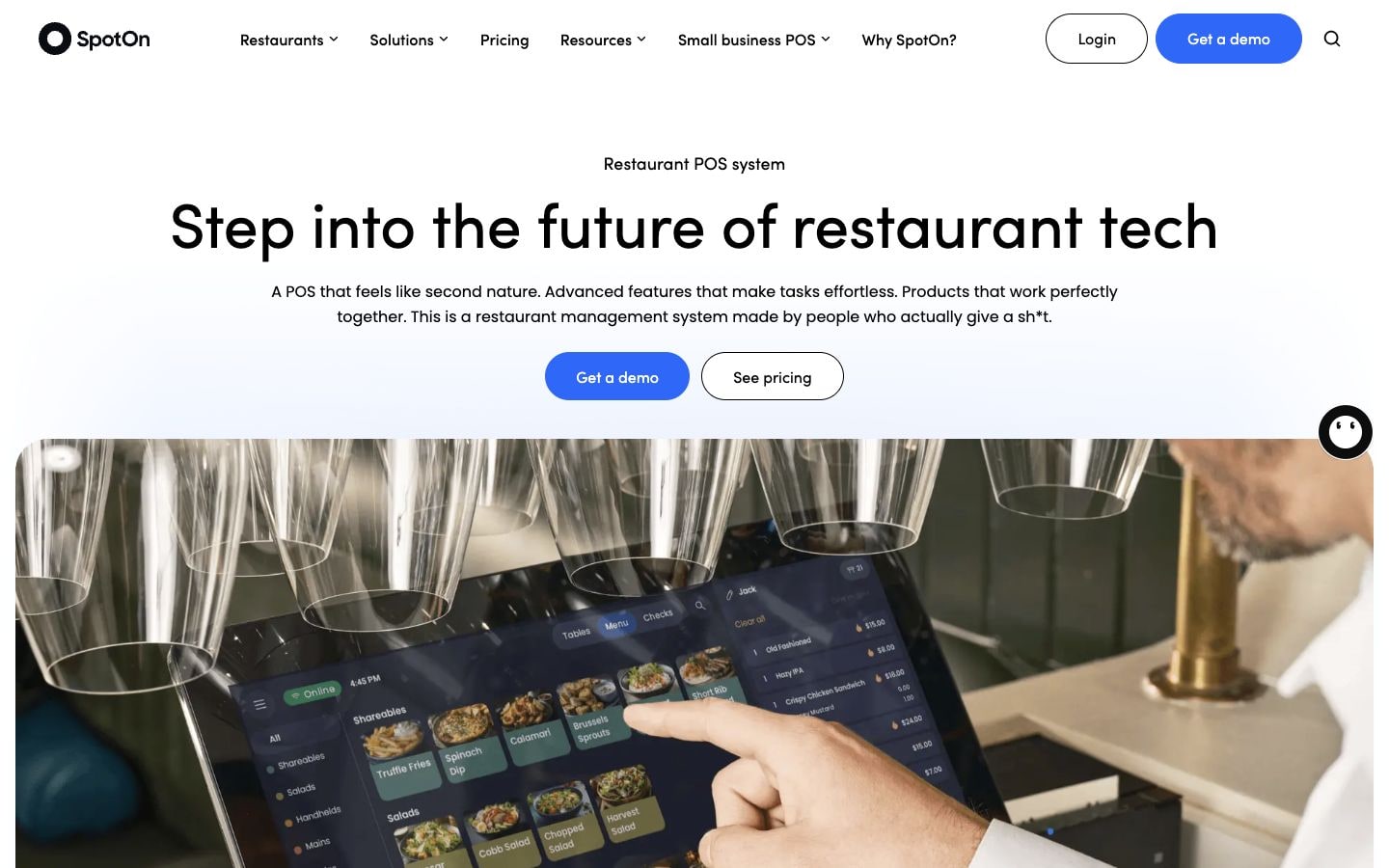
Restaurant and small-business point-of-sale platform with proprietary hardware, integrated payments, ordering, menu tools, reporting, loyalty, and operational add-ons.
Best for
Restaurants that want guided setup, integrated hardware and payments, and optional software for ordering, marketing, labor, and guest operations.
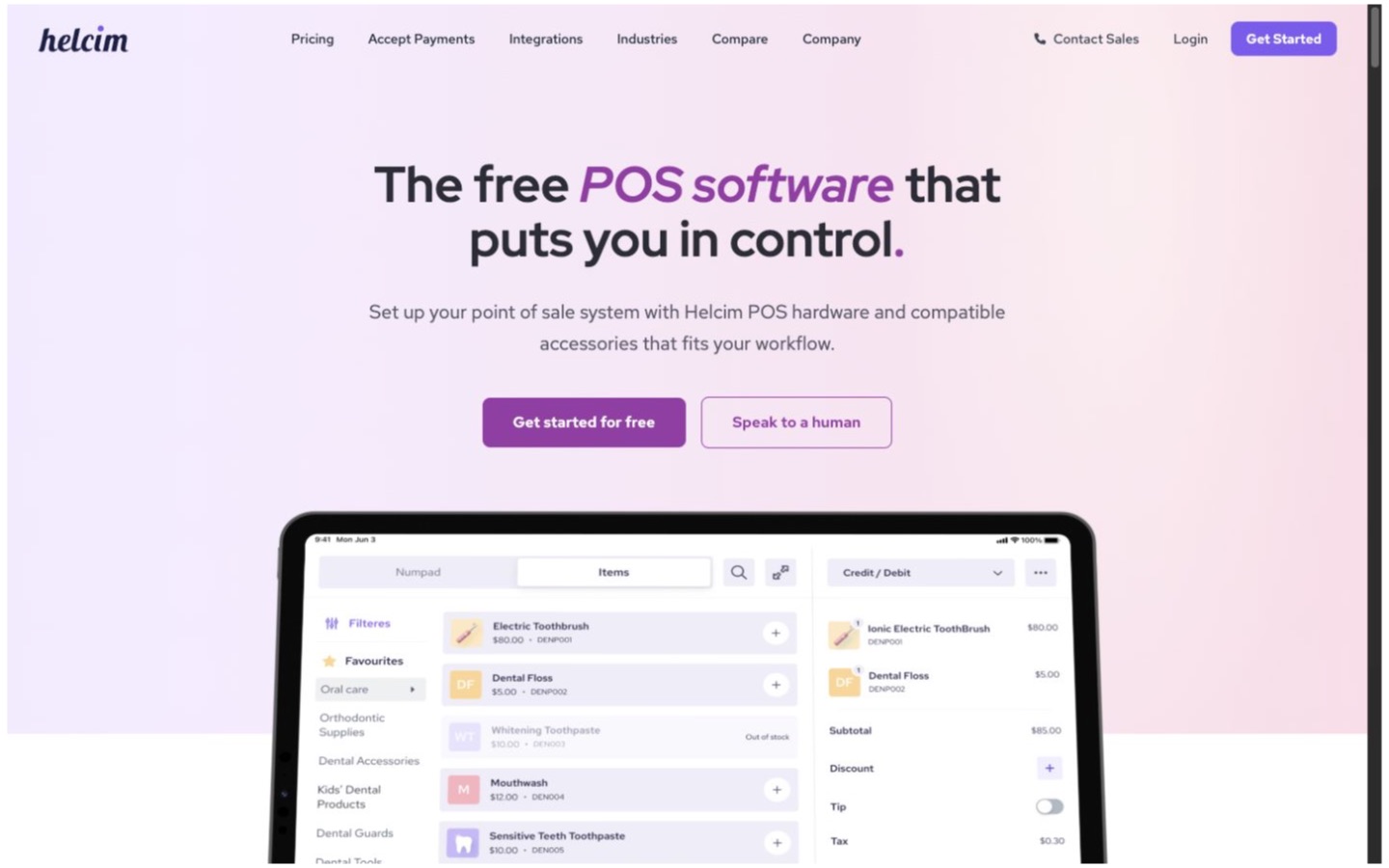
Small-business point-of-sale software included with a Helcim merchant account, with checkout, inventory, customers, reporting, card hardware, and payment processing.
Best for
Small retailers and service businesses that want free POS software tied to transparent payment processing and can use Helcim hardware.
Free mobile point-of-sale platform with essential inventory, loyalty, customer and kitchen displays, multi-store tools, reporting, and optional paid add-ons.
Best for
Small retailers, cafes, and restaurants that want a capable free POS foundation and can add employee, history, or advanced inventory tools later.
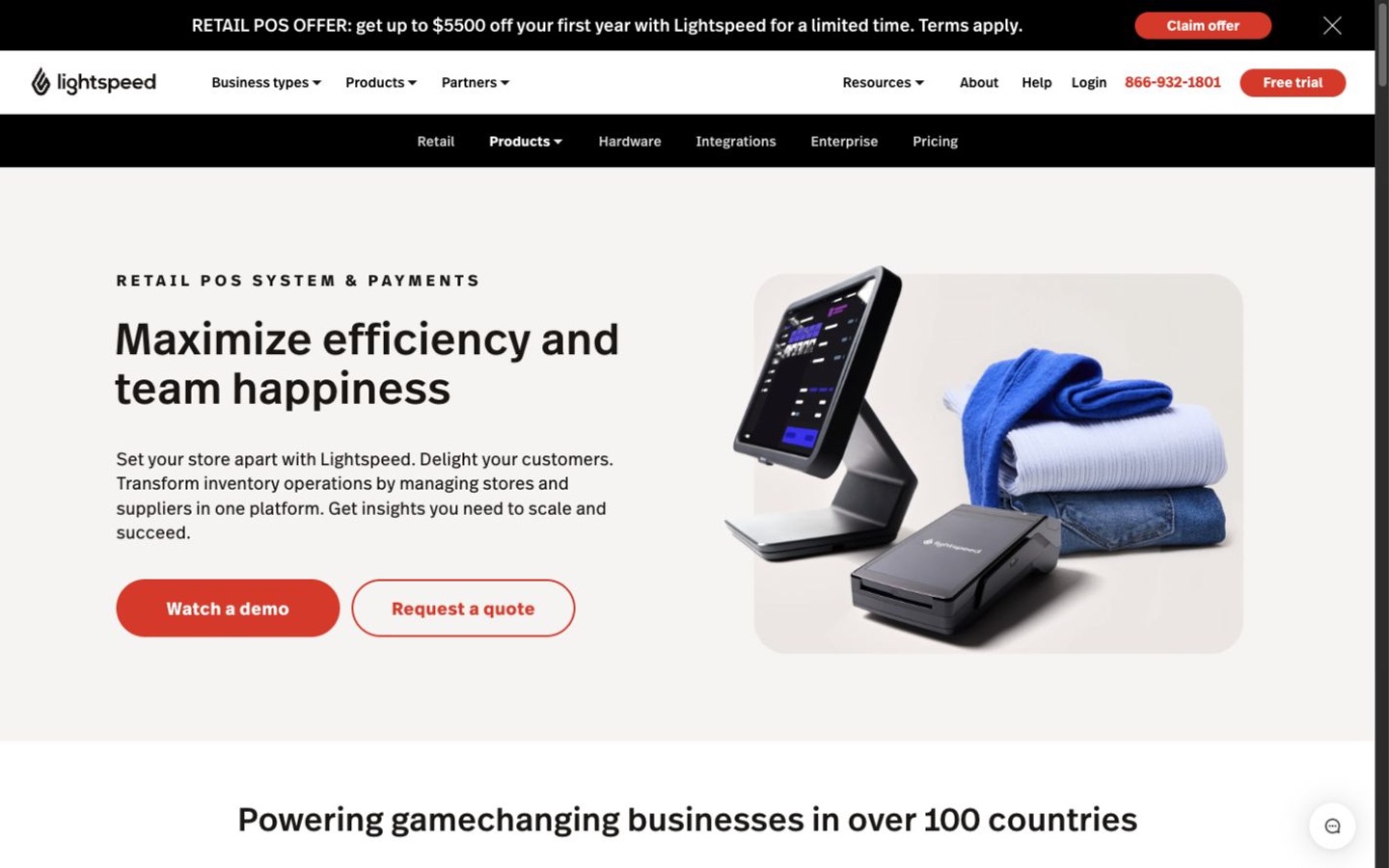
Cloud point-of-sale platform for retail and hospitality with inventory, customers, loyalty, multi-outlet controls, ecommerce connections, payments, and reporting.
Best for
Independent and growing retailers that need flexible hardware, inventory operations, and connections between physical stores and ecommerce channels.
Start with the selling environment: registers, mobile checkout, receipt and label printing, barcode scanning, offline expectations, and the hardware your staff must use every day.
Compare inventory depth, multi-location controls, purchasing, returns, exchanges, staff permissions, customer profiles, and how accurately online and in-store data stays synchronized.
Calculate total cost across software plans, payment processing, hardware, additional locations or registers, onboarding, integrations, and required add-ons before choosing a system.
FAQ
What should ecommerce merchants prioritize in a POS system?
Prioritize reliable checkout, accurate inventory synchronization, unified customer and order history, flexible returns, suitable hardware, clear payment fees, and the ability to support every store location and sales channel.
Can a POS system replace inventory management software?
It can for simpler retailers, but merchants with complex purchasing, forecasting, bundles, warehouses, manufacturing, or lot and serial tracking may still need a dedicated inventory or ERP system.
Build the rest of your stack
Related software categories
Merchants evaluating POS Systems often need to coordinate these adjacent parts of the commerce stack.